


Time management lessons: How I've balanced studying with socialising at university
In our latest blog, undergraduate student Tia Ward reflects on what she's learned about time management at university, from overcoming early struggles to finding the right balance between studying and socialising to make the most of both.
Initial problems with balancing studying and socialising
When I first came to university, I found it very difficult to adjust to having less structure to my day than I did whilst at school and sixth form. As such, I found it difficult to balance my academic work and my social life. For example, I would often find that during times I had set aside for studying, I would unexpectedly be invited to new, exciting events that caused me to change my plans. I would often find that weekly tasks like seminar preparation and weekly quizzes would pile up, and I had to squeeze everything in on a weekend. This wasn't ideal as I preferred to relax on the weekend and see friends and family from home.
Improvements I made
Following my first year, I realised that I needed to change the way I was organising my week to balance my work and study more effectively. I began to take a more structured approach to managing my time by planning my weeks in advance and allocating specific periods for academic work, extracurricular commitments and social activities. This became particularly important during my second year when I held two executive positions within university societies while also applying for placement opportunities alongside my studies.
To manage these competing commitments, I started prioritising tasks based on their urgency and importance rather than completing work as it came up. For example, I would dedicate certain evenings to society responsibilities, such as planning events and completing administrative tasks, whilst using quieter periods during the week to prepare for seminars and complete assignments. Similarly, when applying for placements, I scheduled time to research companies, tailor applications and prepare for interviews, in line with the deadlines given by companies, without allowing this to interfere with my academic responsibilities.
Through these changes, I was able to successfully handle my new responsibilities in my societies, earn a place on an industrial placement program and keep up with my academic work.
The importance of balance

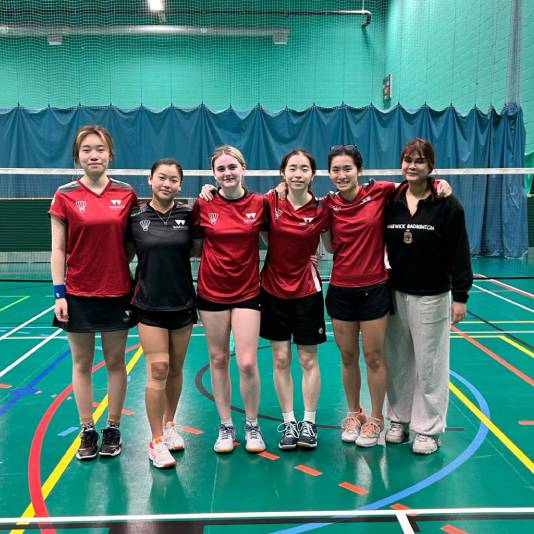
Whilst it was exciting to have so many new experiences in my academics, placement applications and executive roles, it was also quite overwhelming. Therefore, I found it even more important to have time to de-stress and socialise outside of my responsibilities. For me, that took the form of playing badminton, going to societies’ social events and spending time with friends.
I also found that when I had exciting events to look forward to, it motivated me to readjust my schedules to finish my tasks earlier so that I could fully enjoy the events. For example, the badminton, cricket and sports balls in my second year were events that I was particularly looking forward to. Rather than seeing these commitments as distractions from my academic work, I used them as motivation to manage my time effectively beforehand. By planning my workload around these events, I was able to complete important tasks in advance and fully enjoy the social experiences without worrying about unfinished work.
Reflection
Whilst I always try to effectively balance my time, life can be unexpected and things may not always go to plan. As a result, I became better at adapting my plans when necessary and reassessing my priorities depending on upcoming deadlines and commitments. Through this, I can take the time to see friends and enjoy events whilst ensuring that I do not face the same issues as in first year.
Overall, my experience at university has taught me that effective time management is not about sacrificing social experiences to focus only on academics. Instead, it is about creating a balance where I can manage my responsibilities while still making the most of opportunities outside of my studies. The organisation, prioritisation and adaptability skills I have developed are skills I will carry forward into my graduate role, where managing deadlines and balancing different responsibilities will be important. This experience has helped me feel more prepared for the transition into the workplace.
 X
X Facebook
 LinkedIn
 YouTube
 Instagram
 Tiktok