Game theory in the Gulf: how WBS shaped a career in corporate finance
The theories Farah Mustafa learned on her MSc Finance & Economics underpin the approach she takes to her work.



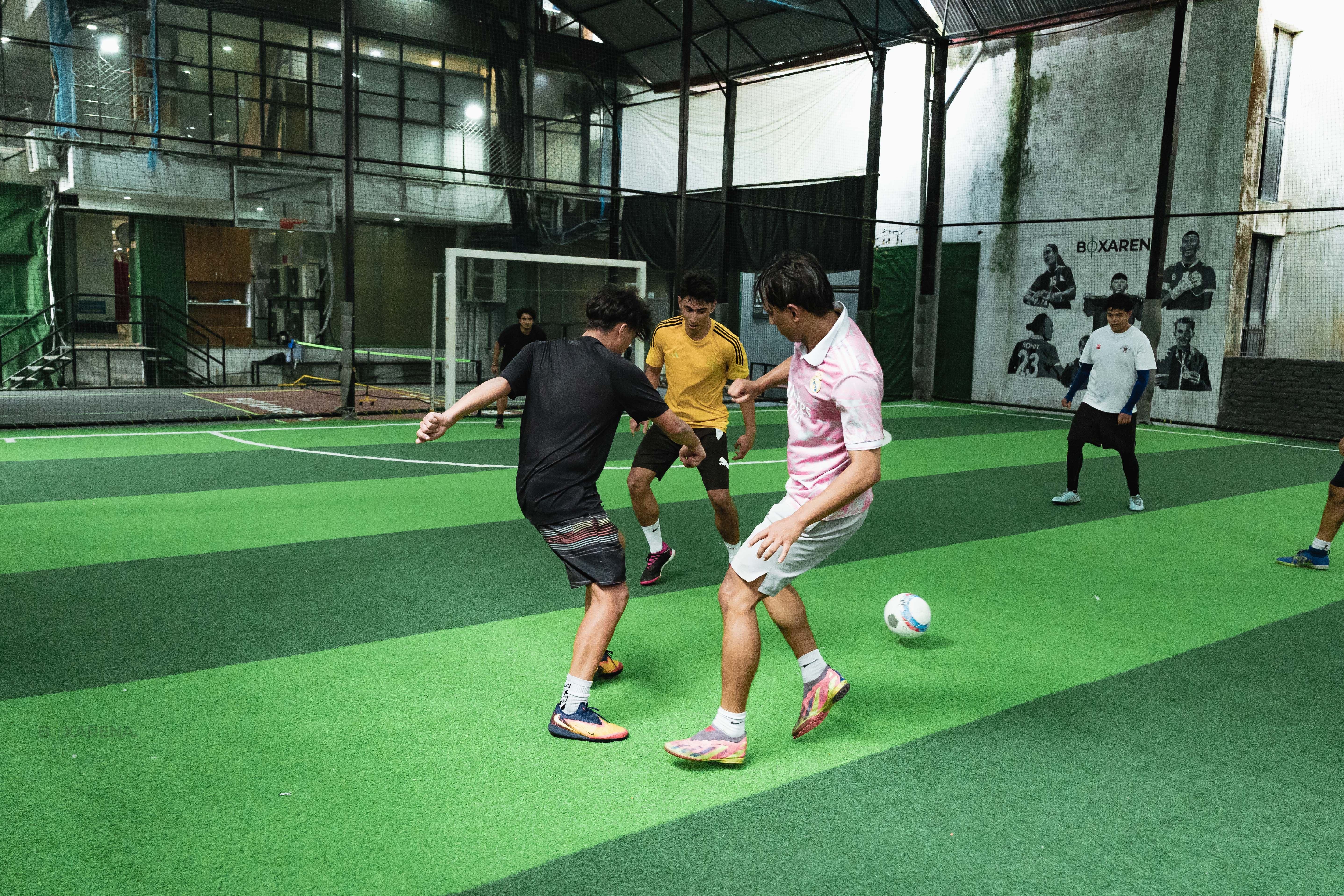
When Ayush Shrestha and Ajatshatru Singh graduated from their MSc Management programme in 2024, they didn't follow a conventional path. Instead of heading into corporate careers, the two co-founders who had studied, debated and problem-solved together throughout their time in the same cohort, returned home to Nepal and turned a shared observation into a real business. BoxArena, their recreational sports hub in Kathmandu, offers facilities for futsal, pickleball, and badminton, with a clear purpose: to make sport a part of everyday life, and to make it welcoming for everyone.
We spoke to Ayush about the journey so far.
Can you tell us a bit about your background: What drew you to business, and what made you choose WBS for your Master's?
I have always been interested in building things rather than just studying business in theory. I co-founded TicketSanjal when I was 22, which gave me an early opportunity to experience what it actually means to build and run a business, from figuring out the idea to working with people and dealing with the uncertainty that comes with starting something new. That experience made me want to keep learning and eventually build something of my own. I chose WBS for my Master's because I wanted to develop a stronger understanding of management, strategy and entrepreneurship while being surrounded by people from very different backgrounds and experiences.
You co-founded BoxArena with fellow WBS alum Ajatshatru Singh shortly after graduating. How did the idea come about?
The idea came from a very simple observation: there was a growing interest in racket sports and active lifestyles in Kathmandu, but there weren't enough good, accessible spaces for people to play and build a community around them. Ajat and I had spoken a lot about opportunities in Nepal and, after graduating, we started exploring what we could build ourselves rather than waiting for someone else to do it. BoxArena grew from those conversations into a real project. We wanted it to be more than just a sports facility, we wanted it to be a place where people could play, meet others and make sport part of their routine.
What have been some of the biggest challenges you've faced getting BoxArena off the ground and what are you most proud of so far?
One of the biggest challenges has been building something new in a market where the concept itself needs explaining. From construction and finding the right space to managing costs, operations and getting people to try something unfamiliar, there have been plenty of moments where things did not go exactly to plan. I'm probably most proud of the fact that we actually turned the idea into something physical and operating. Seeing people come to BoxArena, play for the first time, come back with friends and become part of the community has been the most rewarding part.
BoxArena has a clear social purpose, particularly around SDG 3 (Good Health and Well-being) and SDG 5 (Gender Equality). How important was it to have that impact-driven focus from the outset?
It was important to us from the beginning. Sport can have a much bigger impact than simply providing somewhere to exercise. It can improve people's physical and mental well-being, create social connections and give people a reason to be active. We also wanted BoxArena to feel welcoming and accessible to people who may not traditionally see themselves as part of a sports community, particularly women. For us, the social impact is not separate from the business, it is part of why the business exists.
What are your ambitions for BoxArena going forward?
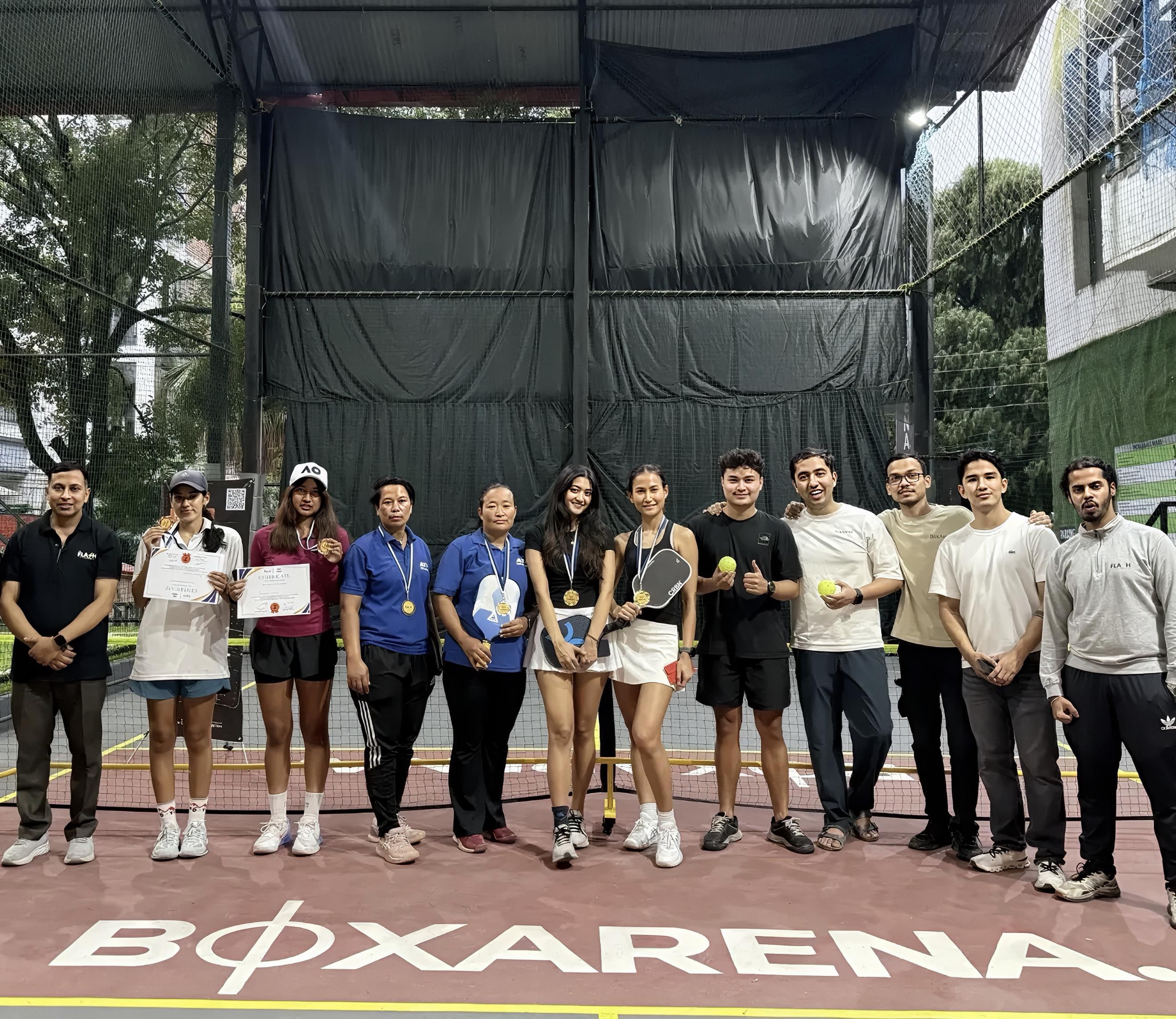
Our ambition is to make BoxArena a strong and sustainable sports community in Kathmandu first, and then see how far we can take the idea. We want to introduce more people to pickleball and other racket sports, create regular events and tournaments, and make the space feel like a genuine community rather than just a place people book by the hour. In the longer term, I'd like to see BoxArena grow into a recognised sports brand in Nepal while continuing to make sport more accessible and inclusive.
Are there skills or frameworks from your time at WBS that you draw on directly when running BoxArena?
A lot of what I learned at WBS comes up in day-to-day decisions. Strategy has helped me think about where we should focus rather than trying to do everything at once, while marketing and customer-focused thinking has been useful in understanding who we are building BoxArena for and how we communicate with them. I've also found the financial and operational side of the degree useful when thinking about costs, pricing and whether an idea is actually sustainable. The biggest lesson, though, has probably been learning to look at a problem from different perspectives before making a decision.
You and Ajat studied in the same cohort before going on to co-found a business together. How much did the WBS environment shape that partnership?
I think it had a big influence. Being in the same cohort meant that Ajat and I had already worked together, discussed ideas and seen how each other approached problems before we ever talked seriously about starting a business. WBS also put us around people from very different countries, industries and backgrounds, which made us think beyond the Nepali market and question our assumptions. Having that shared experience gave us a level of trust when we decided to take the risk of building something together after graduation.
What advice would you give to current WBS students who are thinking about entrepreneurship, or returning home to launch a venture?
I'd say don't wait until you feel completely ready. If you want to start something, spend time understanding the problem, talk to the people you are trying to serve and then start small enough that you can actually learn from doing it. And if you're thinking about returning home to build something, don't assume that going back means taking a step backwards. Nepal has plenty of problems that need solving and plenty of opportunities. Your international experience can actually become a strength if you learn how to adapt it to the local context.
For Ayush and Ajat, the WBS years were never just about the classroom. They were about building the trust, the perspective, and the toolkit to go home and do something that matters. As Ayush puts it: "Starting BoxArena has taught me that entrepreneurship is much less glamorous in real life than it looks from the outside, but it is also incredibly rewarding. There is still a long way to go, but being able to create something in Kathmandu that gets people moving and brings people together makes the journey worthwhile."
The theories Farah Mustafa learned on her MSc Finance & Economics underpin the approach she takes to her work.
Discover how an MSc International Business leads to top global roles. Read Joshua Lucas’ journey from the US to BlackRock.
Discover how Warwick’s MSc Business with Marketing helped Temi Shosanya land roles at TikTok and Amazon.
 X
X Facebook
 LinkedIn
 YouTube
 Instagram
 Tiktok